Transport Management Software went from 5
to 23 Clients in 12 months
Role Senior Product Designer
Platform Web + Mobile
Tier 2/3 Users B2B & B2C
Scale 10,000+ shipments/day
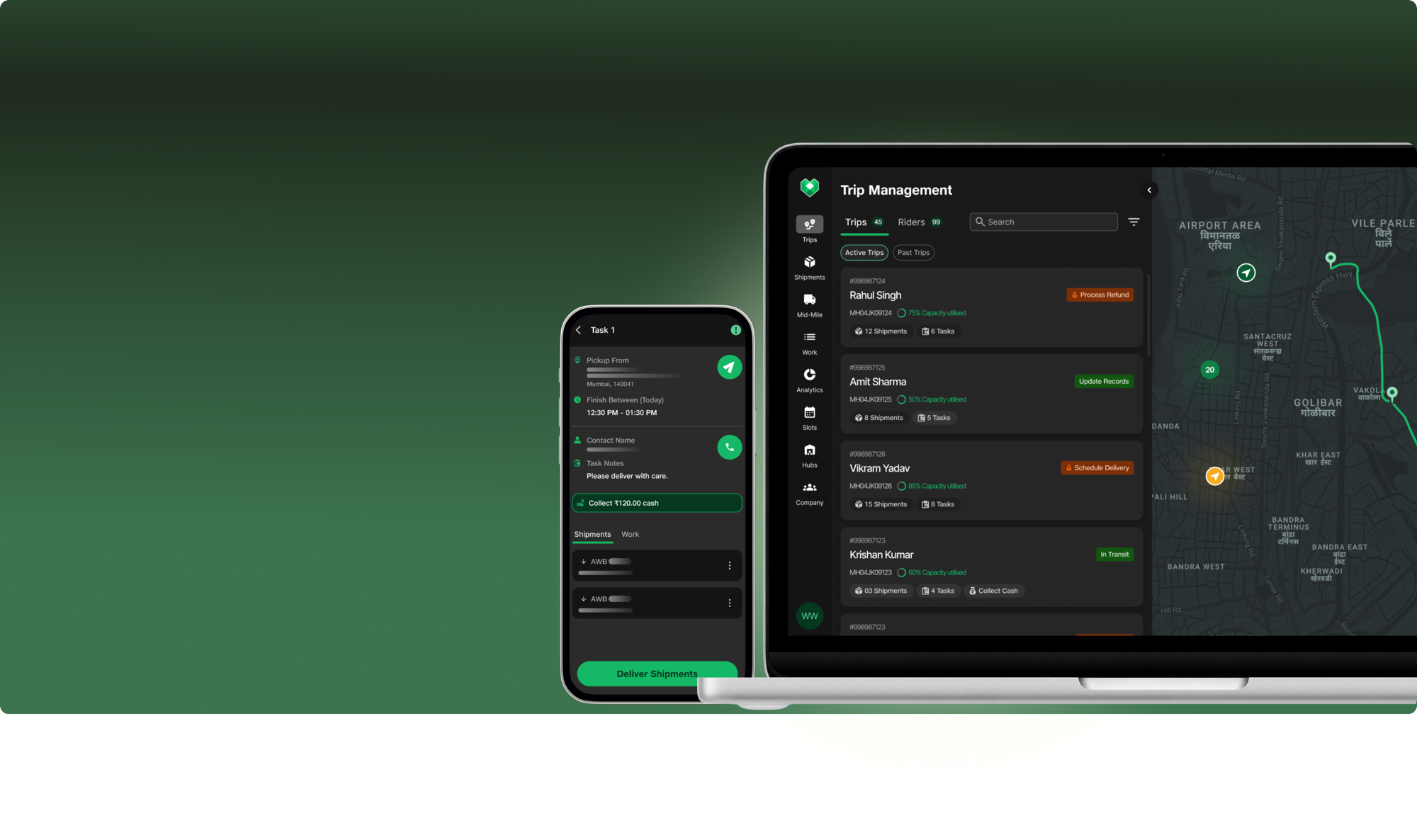
Fynd TMS mockup
About the Product

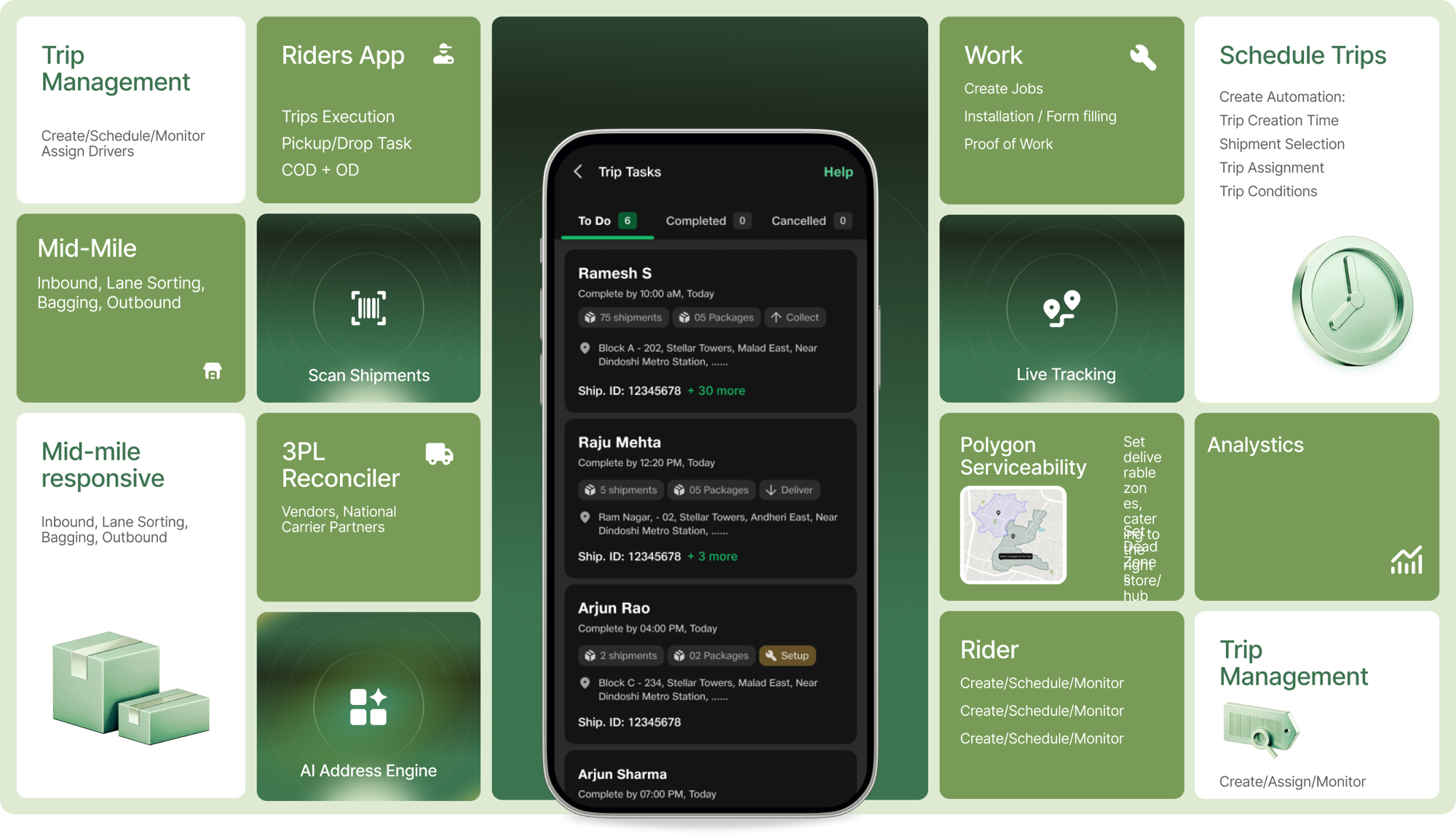
Fynd TMS, end-to-end logistics, built for enterprise scale.

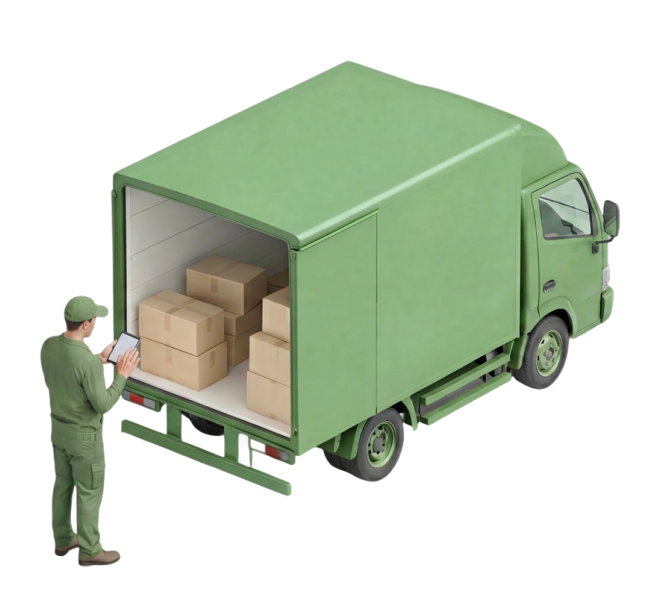
A software designed to manage deliveries after an order is placed, planning the most optimised route to reach the customer. Fynd TMS handles the full logistics stack, from order batching and trip planning to hub-level sorting, bagging, and last-mile rider dispatch. It connects operations managers, warehouse staff, and field riders in a single system across web and mobile. Built to replace fragmented tools like WhatsApp coordination, manual spreadsheets, and siloed tracking, TMS brings real-time visibility and control to every handoff point in the shipment journey.

Measurable Impact after new designs
Measurable Impact — 5 metrics
Context

Understanding Shipment Lifecycle & Stakeholders

Fynd TMS coordinates shipments across warehouses, hubs, and last-mile riders. Before redesigning anything, I mapped the ecosystem, who uses it, how data flows, and where design debt was compounding fastest.
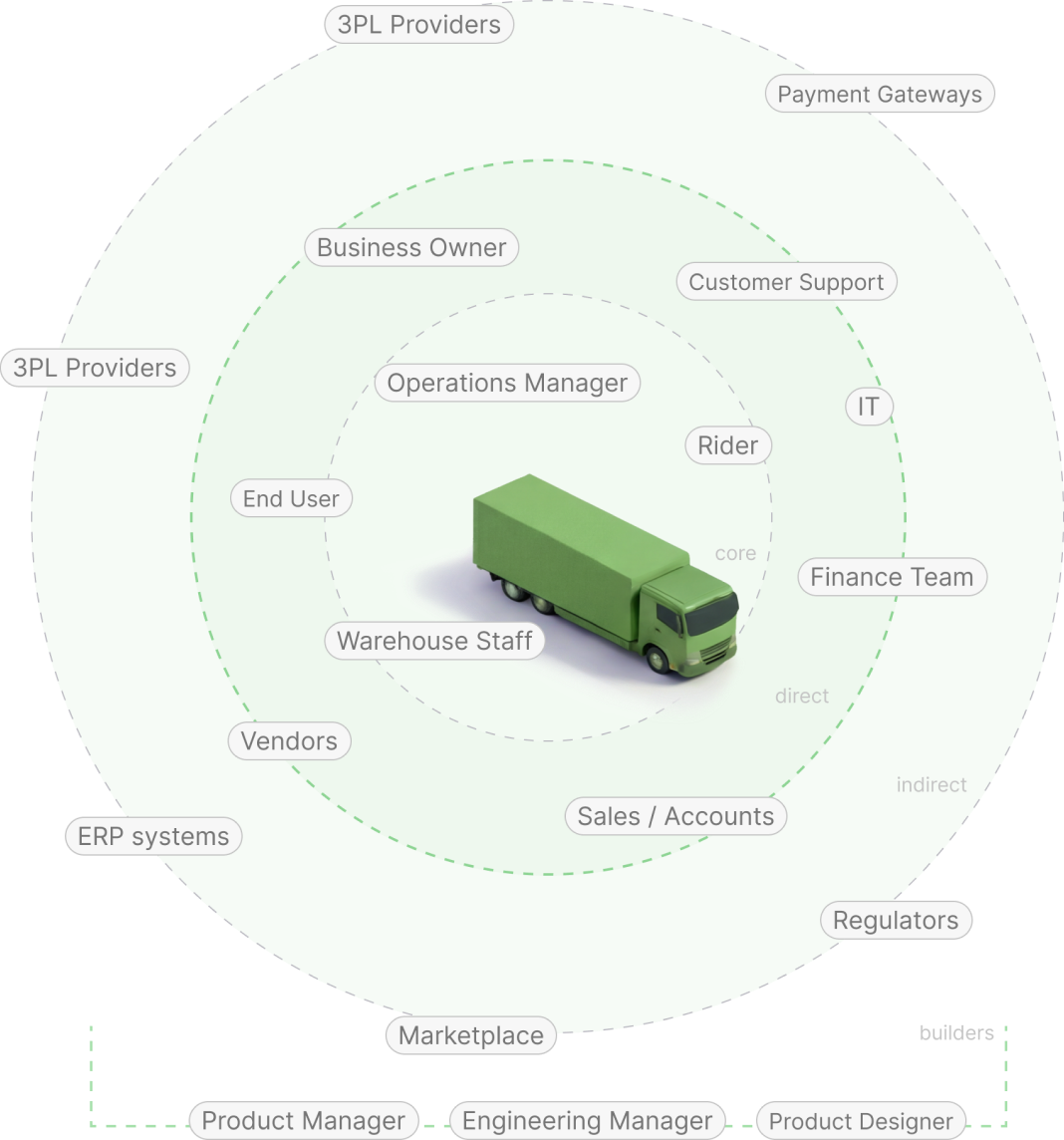
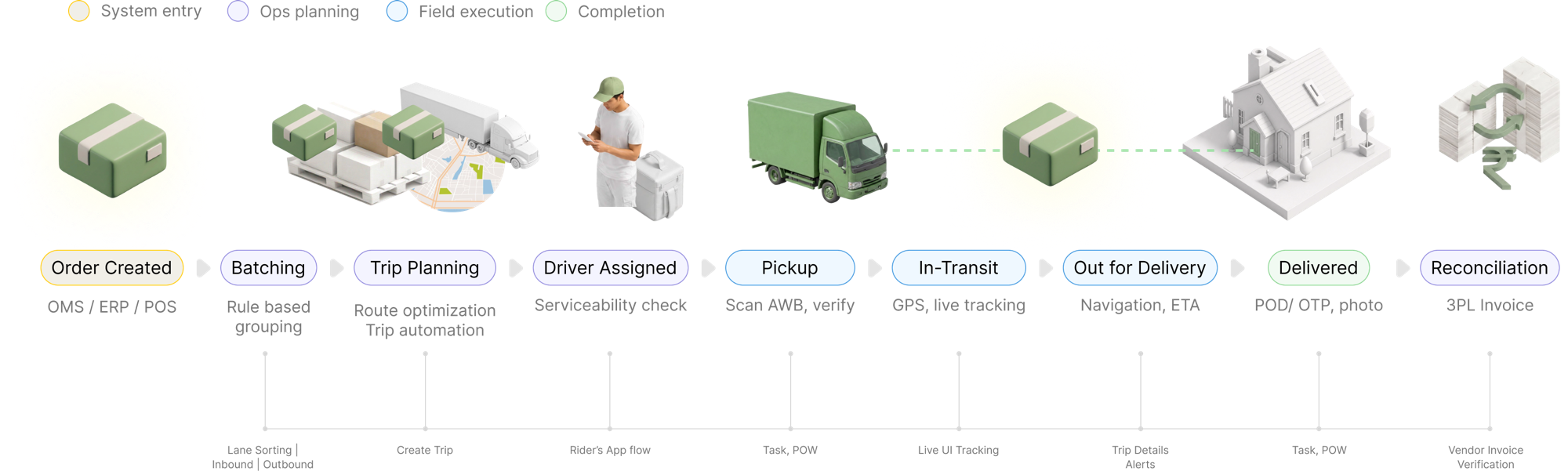
TMS Stakeholder Ecosystem Shipment Lifecycle
Operations Manager
Operations Manager
Plans routes, manages trips, and resolves escalations across hubs. Owns the dashboard, needs clarity and control at a glance.
Rider
Rider
Executes last-mile delivery on the field, often with unreliable connectivity. Needs exception handling without calling support.
Warehouse Worker
Warehouse Worker
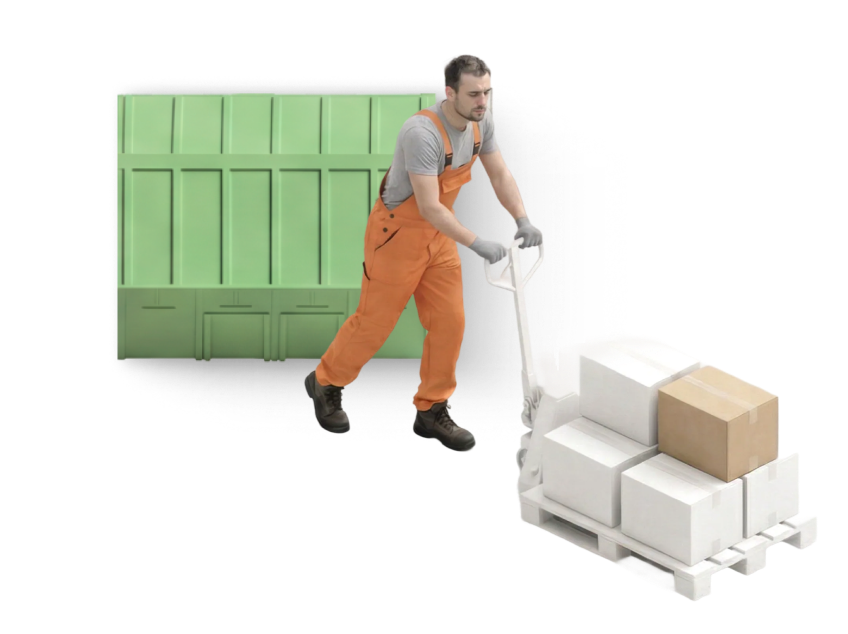
Scans, sorts, bags, and loads shipments in a fast-paced physical environment. Needs low-friction mobile workflows under time pressure.
My Approach

Qualitative Research and Evaluative Research

A structured process made it possible to prioritize across multiple workstreams without losing sight of the bigger platform story.
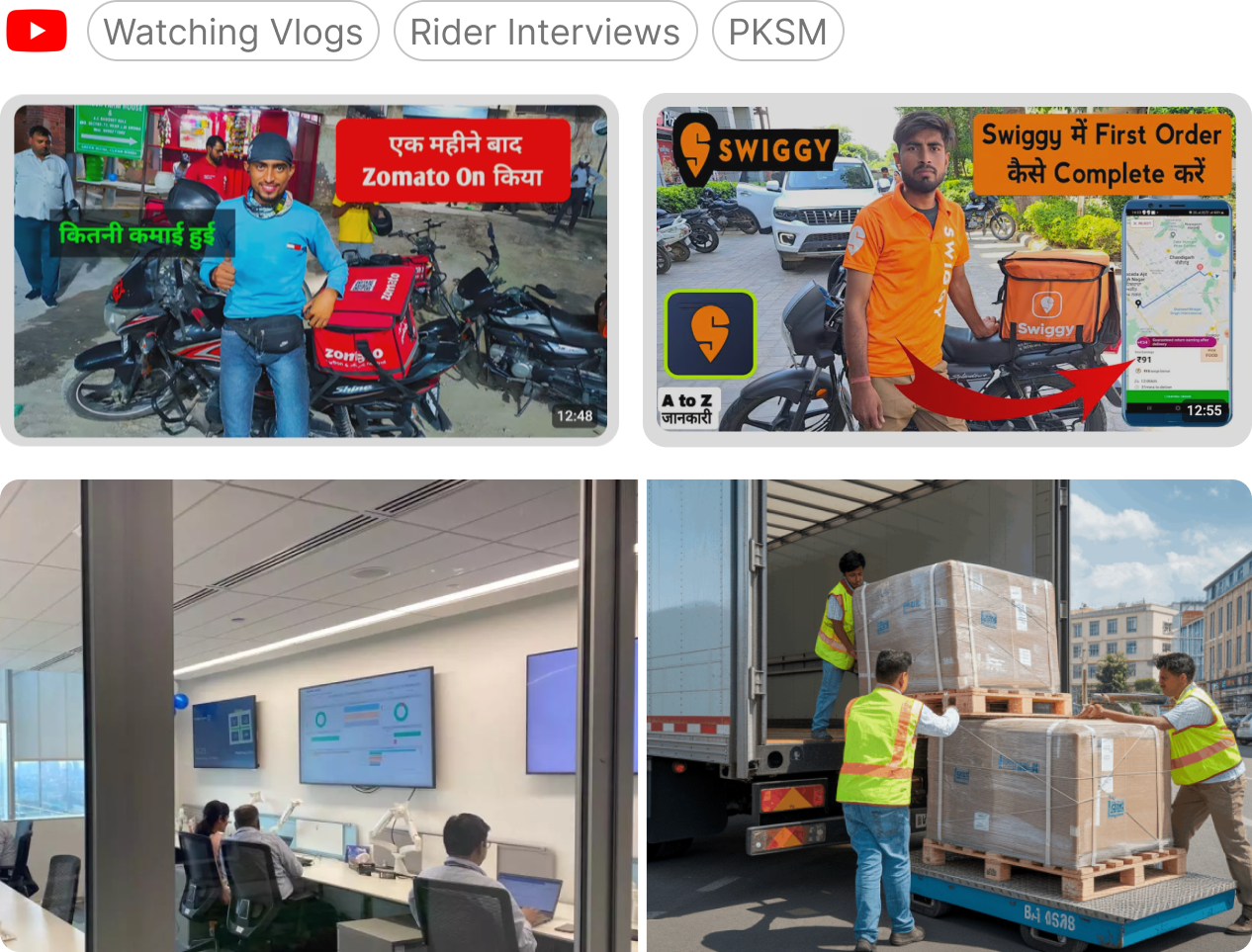
Field Research, rider vlogs, PKSM interviews, hub visits
01
Field Research
Observed ops managers and warehouse staff in real conditions, hub floors, loading bays, dispatch windows. Watched rider vlogs, conducted PKSM interviews, and documented where the system broke down vs. where people worked around it.
User InterviewsField ResearchCompetitor StudyBehavioral Study
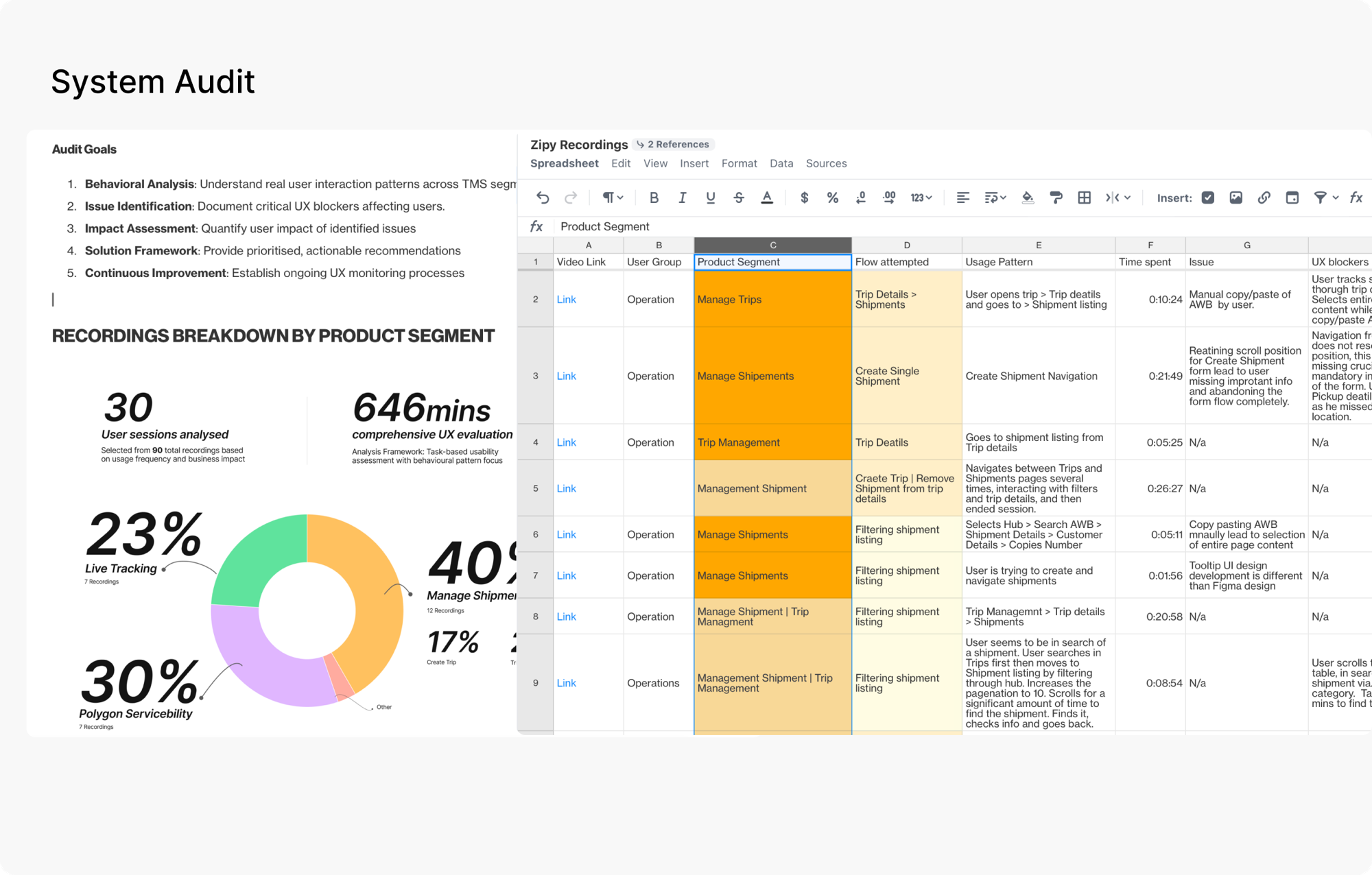
System Audit, Zipy session recordings, UX blockers analysis
02
System Audit
Analysed 30 user sessions (646 mins) via Zipy recordings across TMS segments. Mapped every screen, form, and handoff point, identifying forced sequencing, missing feedback, and design inconsistencies compounding into support tickets.
Impact AssessmentBehavioural AnalysisSolution Framework
Industry Updates
03
Industry Updates
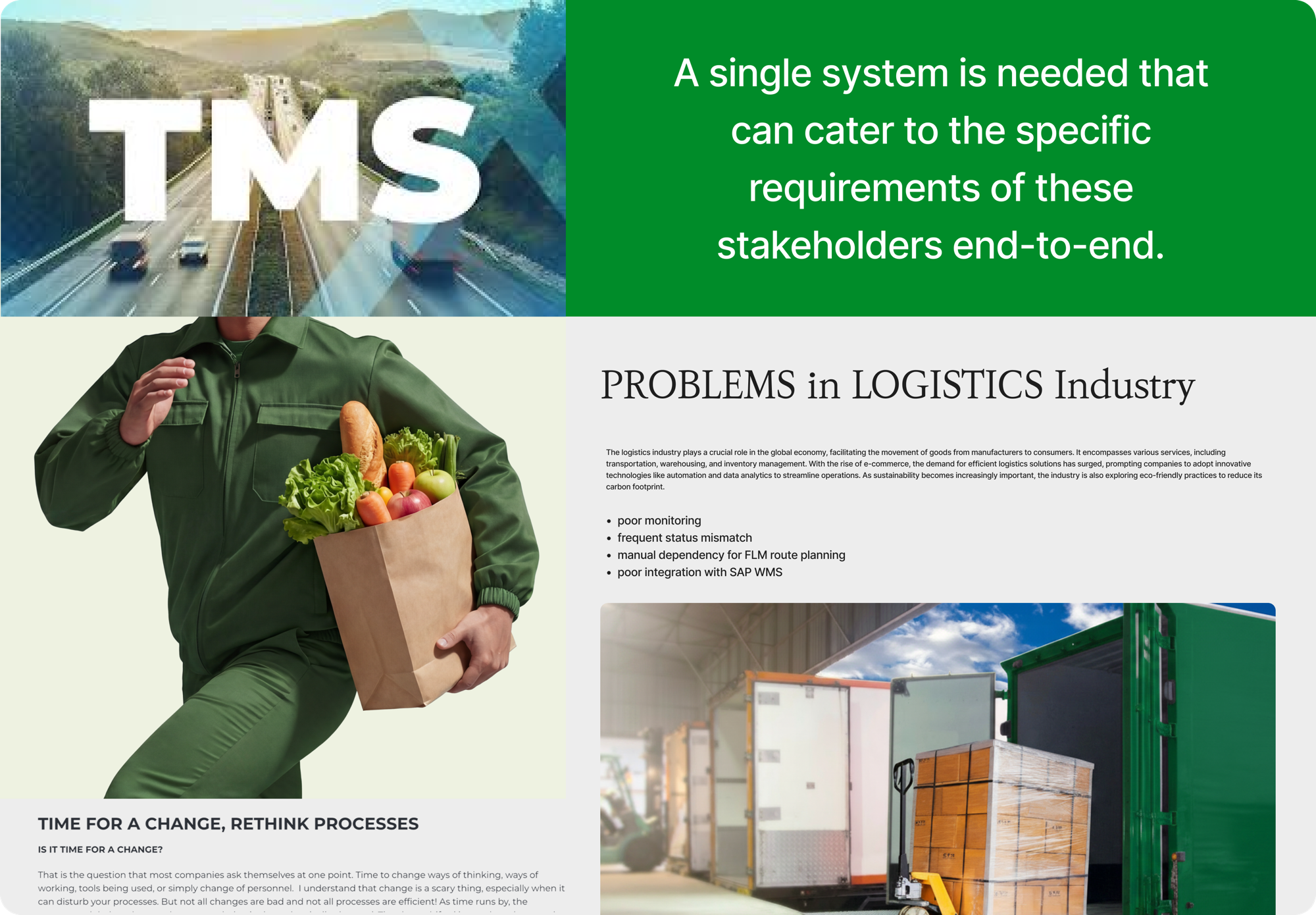
Mapped the macro shifts reshaping logistics: e-commerce acceleration, last-mile pressure, rising field automation demands, and the growing gap between enterprise TMS platforms and what frontline teams actually need day-to-day.
Market ResearchTrend AnalysisLogistics Context
Competitive Analysis
04
Competitive Analysis
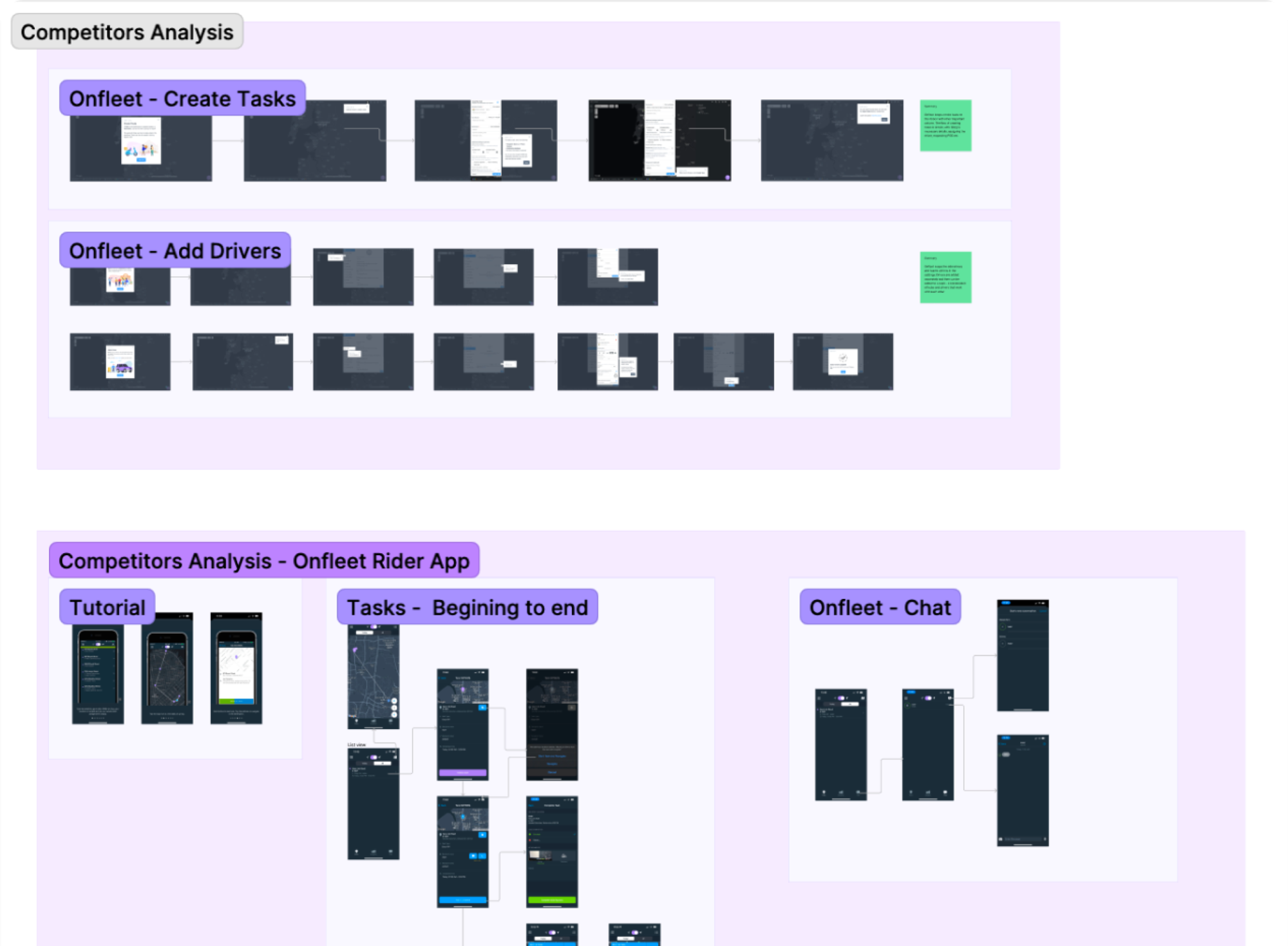
Mapped end-to-end flows across Onfleet, FarEye, and similar platforms: task creation, driver onboarding, tracking UX, and rider app architecture. Identified interaction patterns worth learning from and friction points Fynd TMS could improve on.
Competitor StudyFlow MappingUX Benchmarking
Key Features
Key Features
My Design Work Plan

What I designed, in what order and why

Phase 1, Foundation
Core Operations Platform
Trip Planning & Management
Shipment Creation Form
Hub Dashboard
Rider Assignment
Basic Live Tracking
Phase 2, Field Enablement
Mid-Mile PWA Expansion
Inbound Scanning
Lane Sorting
Outbound & Bagging
Rider App Work Modules
Create Trip Revamp
Phase 3, Platform Intelligence
Scale & New Capabilities
Polygon Serviceability
Analytics & Reporting
Rider Behaviour Alerts
Catalog Module
Exception Automation
The Work

Two bets that changed how the platform scaled

These weren't surface-level redesigns. Each one addressed a structural failure in how the platform served its users, and both compounded into measurable business outcomes.
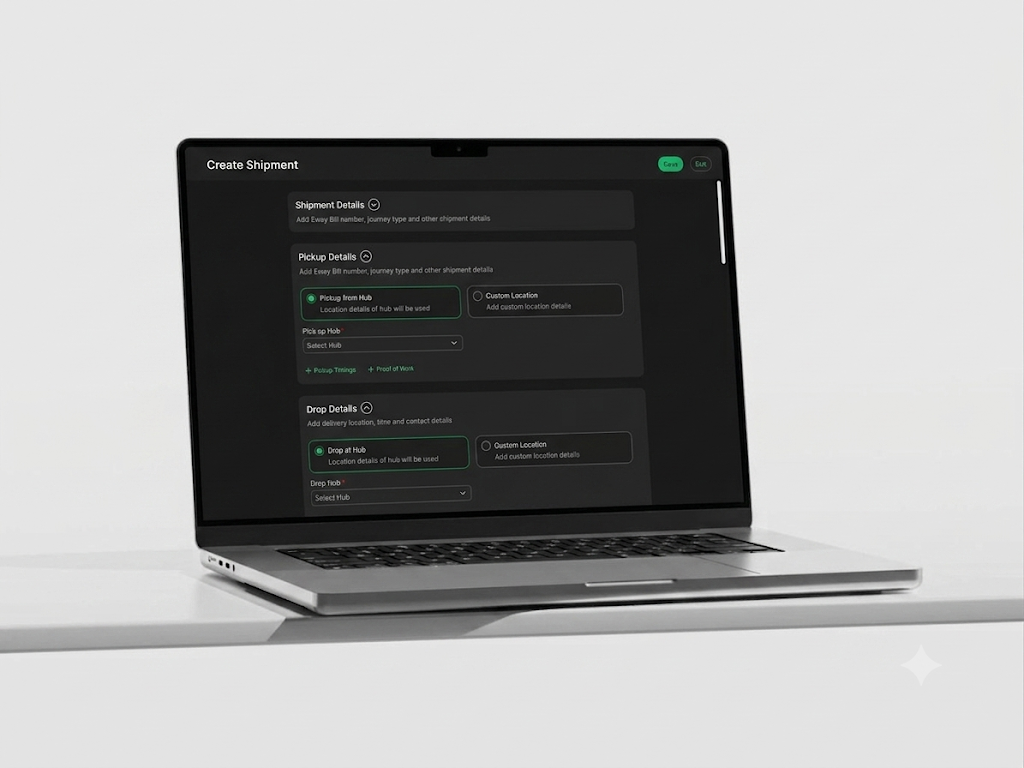
Shipment form mockup

Unifying Shipment Form

Completion Rate improved by +3.9% after going from 5–6 step form with ~42 inputs to a unified form with 3* inputs

Responsive Mid-Mile Enablement

Upgraded all the flows while adding new mid-mile modules to mobile responsive. 3x Shipments per hub post-PWA enablement
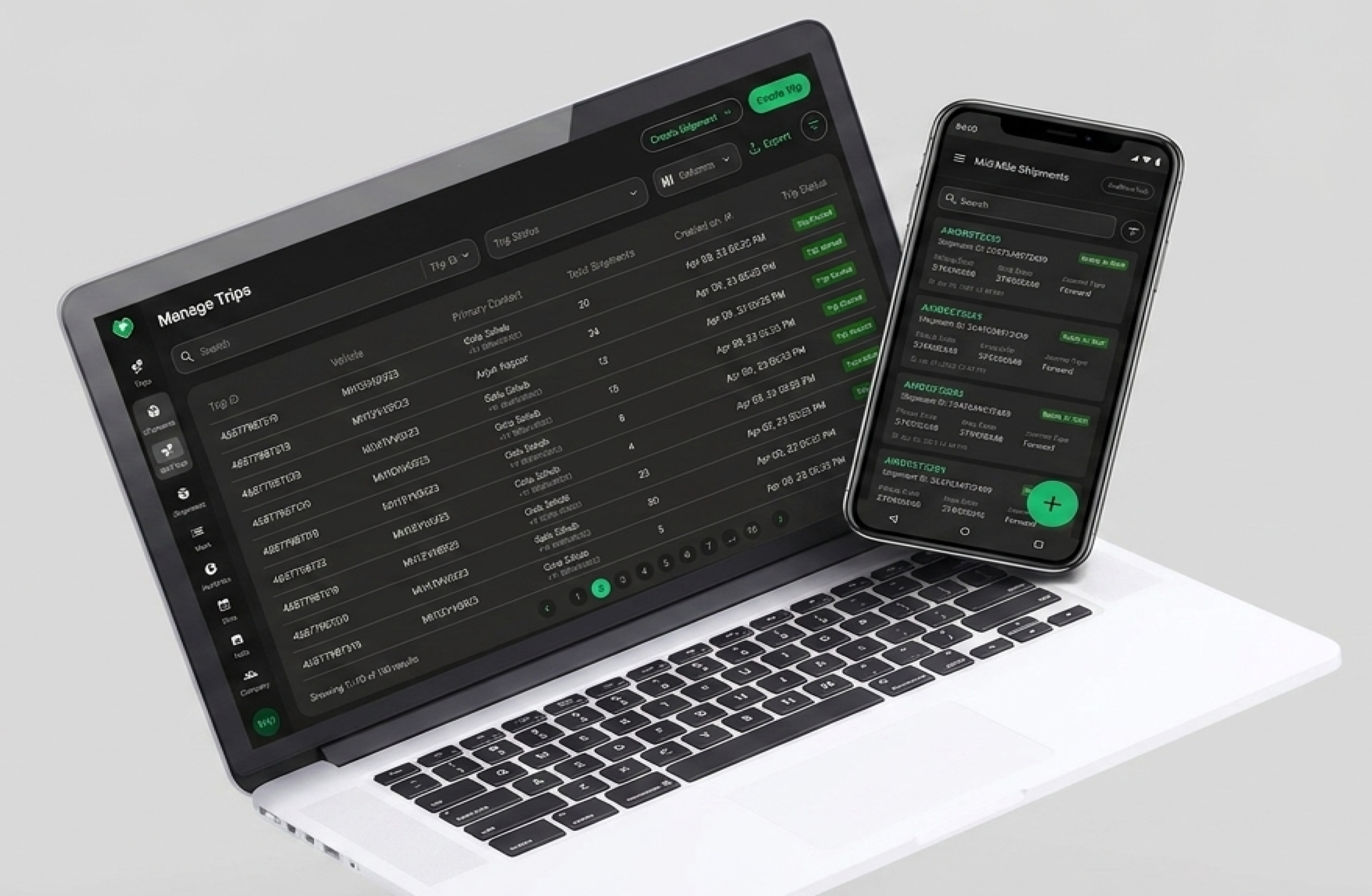
Mid-mile PWA mockup
Rider's App

The execution layer the most crucial leg of logistics

Every delivery instruction, route assignment, pickup confirmation, and real-time status update flows through the Rider's App. While the TMS backend orchestrates trips and the ops team monitors from the web, the rider is the one physically closing the loop. Getting this interface right wasn't a polish exercise, it was the difference between shipments landing on time or falling apart in the last mile. The app had to work under poor network, under time pressure, and across a fleet with varying levels of digital fluency.
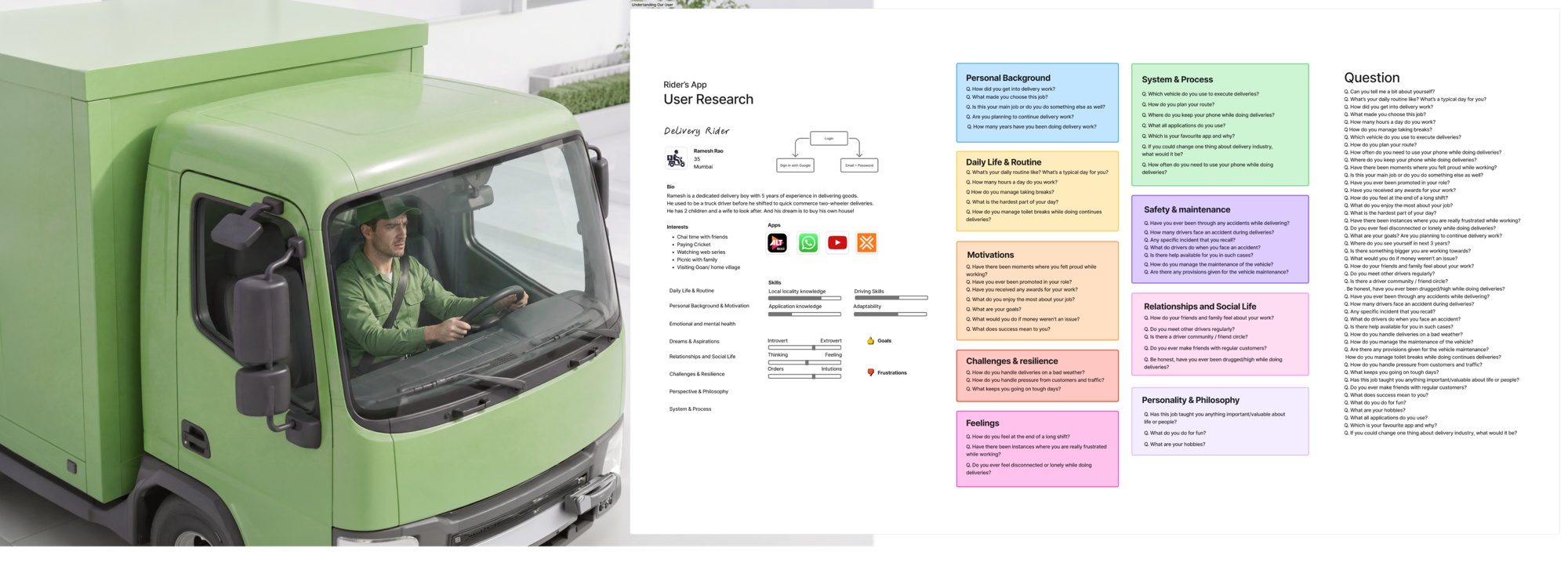
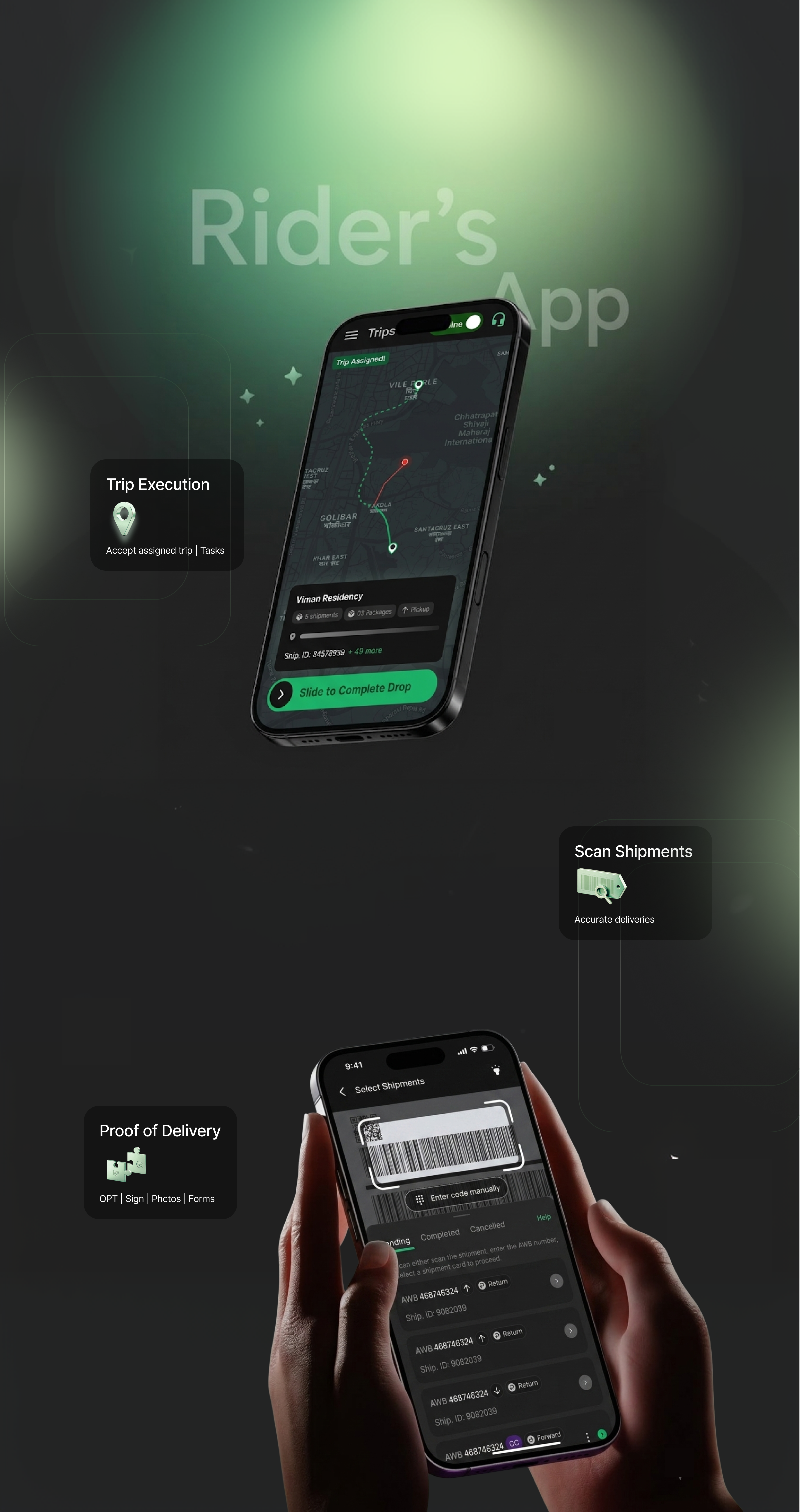
Rider's App User Research — persona, research areas, and interview questions
Riders App
Supporting Work

Five smaller bets that shaped the platform

Beyond the two flagship case studies, these projects expanded what TMS could do, and who it could serve.
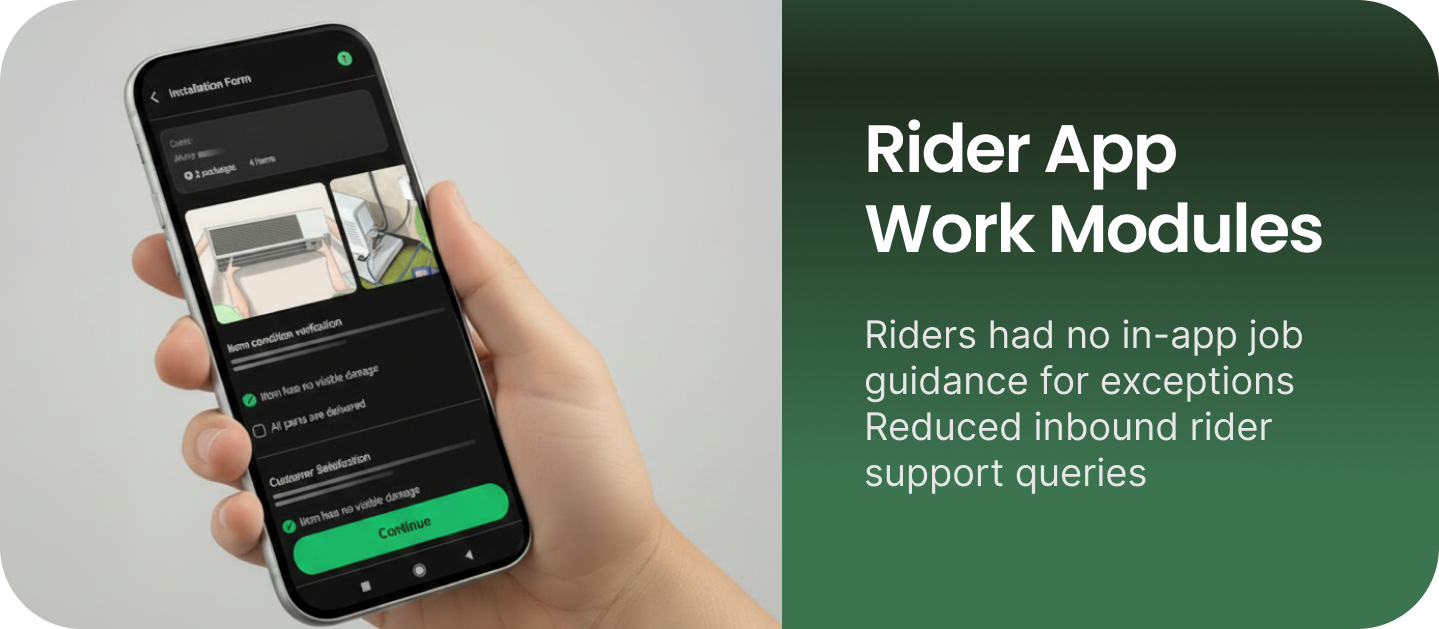
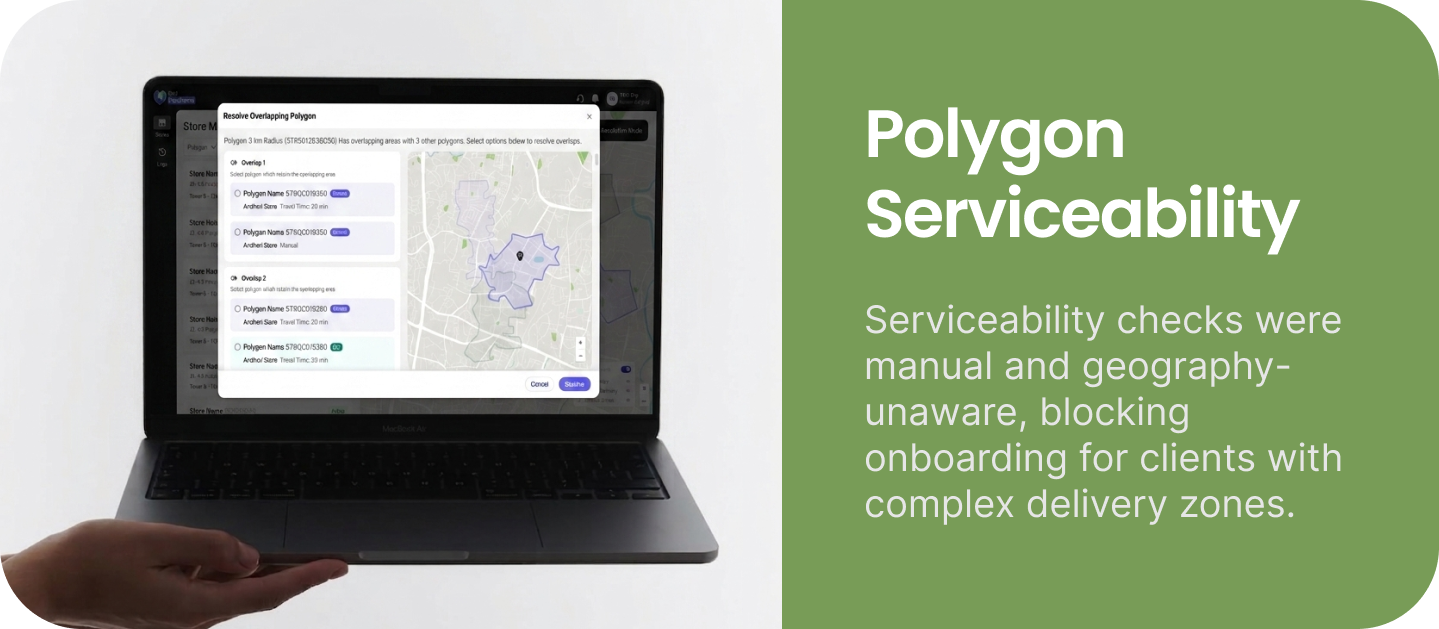
Rider App Work Modules
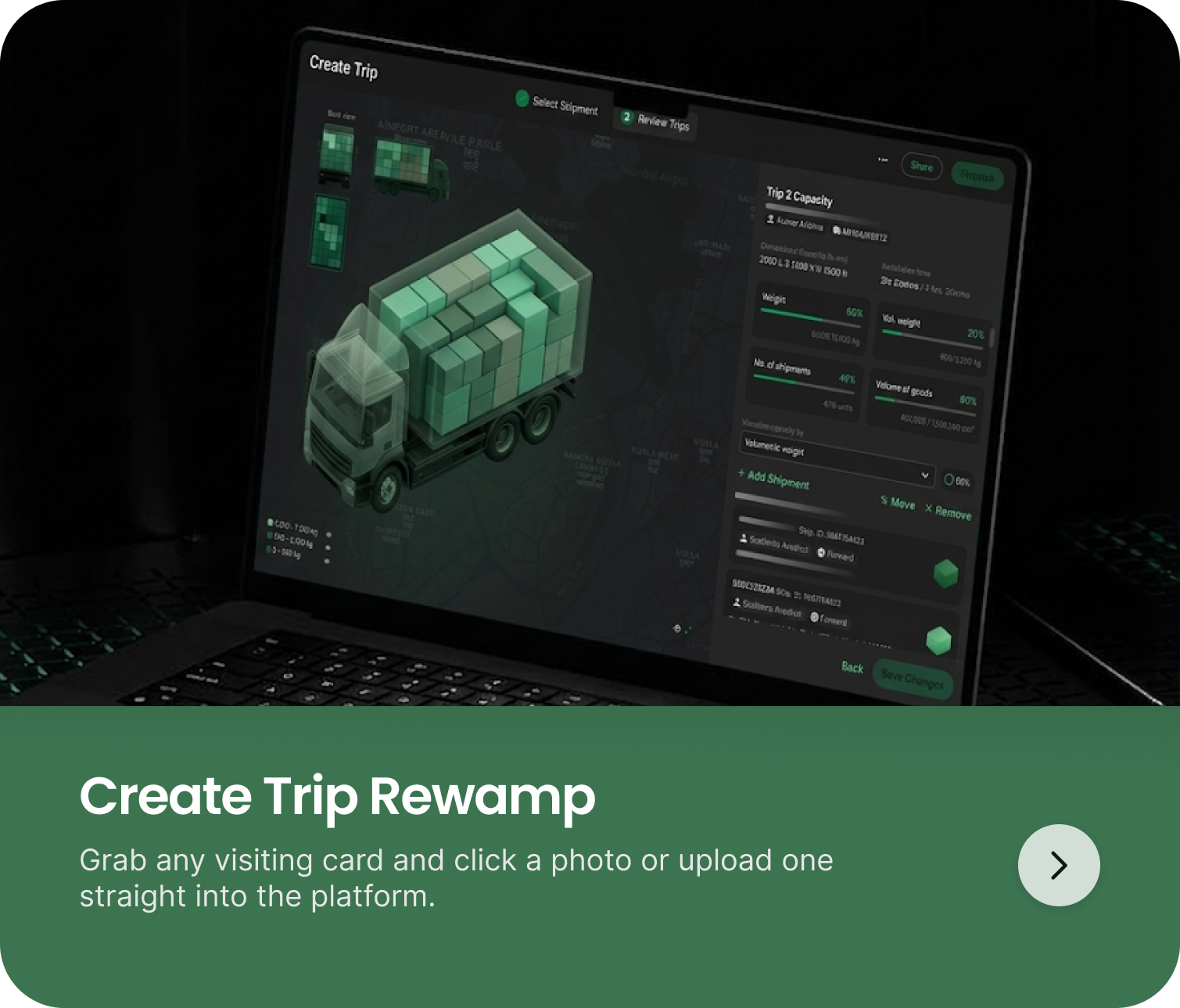
Create Trip Rewamp
Polygon Serviceability
Impact

What shipped, and what it moved

Impact: 5 to 23 Enterprise clients, 3X Shipment volume, 40% Fewer support tickets, 60% Exception reduction

Metrics reflect 12 months from initial launch to platform maturity. X and Y to be filled with actual client counts.
Acme Retail BlueCart NovaDist FastKart OrbitMart ZenLogistics SwiftHub MegaLink PrimeFreight AllRoute Acme Retail BlueCart NovaDist FastKart OrbitMart ZenLogistics SwiftHub MegaLink PrimeFreight AllRoute
What I Learned

Three things I'd tell every designer on an enterprise product

01
Design debt compounds fastest at handoff points. Every interface that sits between two teams is a place where assumptions calcify into workflows, and workflows calcify into tickets.
02
Field context changes everything. Warehouse lighting breaks UI assumptions. Gloved hands change tap targets. A design that passes studio review can fail a loading bay in five minutes.
03
Scaling a platform means designing for the operator, not just the user. The hub manager's mental model shapes what every worker downstream sees, get the operator experience right first.